Blog
Hookah vs Vape: The Real Difference

Here’s a statistic that might stop you mid-puff: in 2025, the number of Americans who reported trying a hookah in the past year dropped by over 40% compared to a decade ago, while disposable vape sales surged past 15 billion dollars. The cultural shift is undeniable, but the difference between hookah and vape is often misunderstood. Many assume they are just two sides of the same cloud-chasing coin, but the reality is far more nuanced. This article will break down the key distinctions in technology, health considerations, cost, and user experience, helping you decide which path aligns with your lifestyle in 2026. Whether you are a curious newcomer or a seasoned enthusiast looking to understand the modern landscape, this guide will illuminate the truth behind the myths.
🔑 Key Takeaways: Hookah vs Vape
- Fundamental Technology: Hookahs use burning charcoal to heat a flavored molasses mixture, while vapes use a battery-powered coil to atomize an e-liquid. This core engineering difference defines everything from portability to chemical output.
- Health Profile: Vaping generally exposes users to fewer toxicants than hookah smoking, which involves burning tobacco and charcoal. However, neither is risk-free, and the long-term effects of vaping are still under study by agencies like the about difference between hookah and vape.
- Cost and Convenience: A single hookah session can cost $15–$30 at a lounge, whereas a high-puff-count disposable vape like the difference between hookah and vape guide offers weeks of use for under $25.
- Social vs. Personal: Hookah is inherently a shared, social ritual often lasting an hour or more. Vaping is typically a quick, personal, and portable experience.
- The Real Difference Between Hookah and Vape Technology You Need to Know
- What is the real difference between hookah and vape flavor profiles?
- How the Difference Between Hookah and Vape Impacts Your Monthly Savings
- Why is knowing the difference between hookah and vape important for your health?
- Three Key Reasons Americans Are Switching From Hookah to Vape in 2026
- 5 Steps to Understand the Difference Between Hookah and Vape for Your Lifestyle
- The Key Difference Between Hookah and Vape: Best 2026 Alternatives Reviewed
- What do real users say about the difference between hookah and vape?
- The Real Difference Between Hookah and Vape: What to Look for When Switching
- How to Tell the Difference Between Hookah and Vape for Beginners?
- How to Choose Between Hookah and Vape: Final Recommendations for Every User
Table of Contents:
The Real Difference Between Hookah and Vape Technology You Need to Know
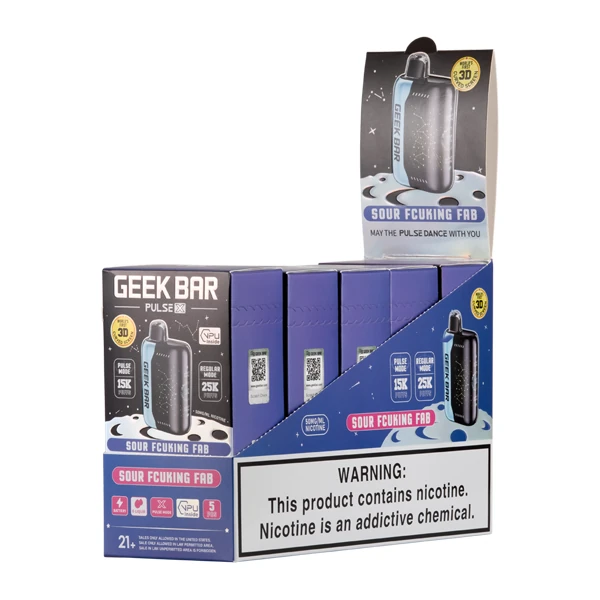
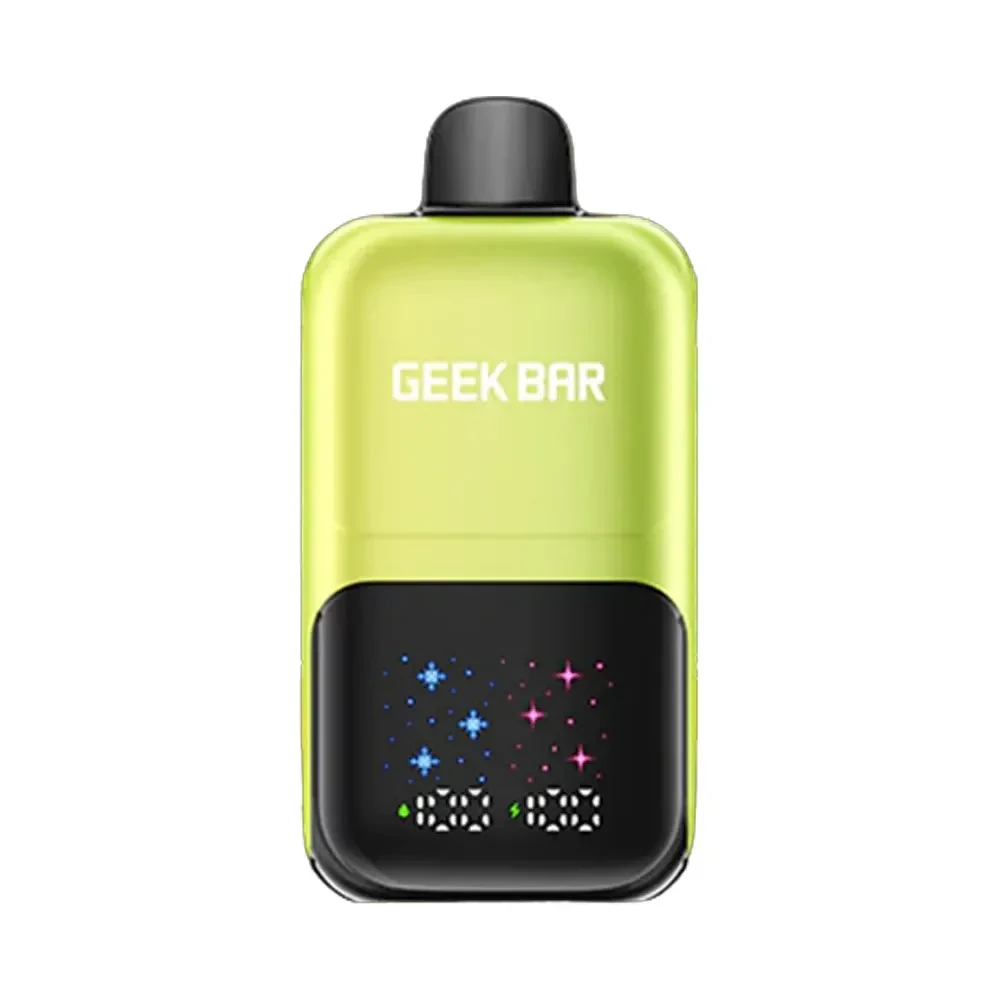
American vapers researching best difference between hookah and vape: GEEK BAR Pulse X 25K Puffs | 5% Nicotine can immediately compare flavour depth and reliability.
To truly grasp the difference between hookah and vape, you must start at the molecular level of how each device operates. A hookah, also known as a waterpipe, has been used for centuries in Middle Eastern and South Asian cultures. It consists of a bowl (where flavored tobacco, called shisha or molasses, is placed), a body, a water base, and a hose. The heat source is burning charcoal, which is placed directly on top of the tobacco mixture. When you inhale, the hot air passes through the tobacco, vaporizing the glycerin and flavorings, and the smoke is then filtered through the water before reaching your lungs. This process creates the thick, billowing clouds that are the hallmark of a hookah session.
In stark contrast, a vape—whether a disposable pen or a refillable mod—is an electronic device. It uses a battery to heat a resistance coil, which in turn atomizes an e-liquid (a blend of propylene glycol, vegetable glycerin, nicotine, and flavorings). There is no combustion, no burning charcoal, and no smoke. The result is an aerosol, often referred to as vapor. This fundamental engineering difference is the single most important factor in the difference between hookah and vape.
The implications of this are vast. Because hookahs rely on burning charcoal, they produce carbon monoxide and other byproducts of combustion that are absent in most vaping devices. A 2025 study published in the journal *Tobacco Control* found that a single one-hour hookah session can expose a user to carbon monoxide levels equivalent to smoking 10–15 cigarettes. Vaping, while not harmless, does not produce carbon monoxide. This is a critical distinction for health-conscious users.
Furthermore, the user experience is shaped by this technology. A hookah session is a ritualistic affair: you must prepare the bowl, light the charcoal, wait for it to ash, and manage the heat to avoid burning the tobacco. A session can easily last 45 minutes to an hour. Vaping, on the other hand, is designed for convenience. A modern disposable device like the about difference between hookah and vape is draw-activated—you simply inhale to activate the heating element. There is no setup, no cleanup, and no wait. This makes vaping a far more practical choice for a quick nicotine fix during a work break or a commute.
The portability factor also highlights the difference between hookah and vape. A full hookah setup is large, fragile, and requires a stable surface. You cannot easily take it to a park or a concert. Vapes are pocket-sized. The see full product details, for instance, is a modular device that fits in the palm of your hand, offering smart features like adjustable airflow and wattage in a compact form. This portability has been a major driver of the vaping boom in the United States, where convenience is king.

What is the real difference between hookah and vape flavor profiles?
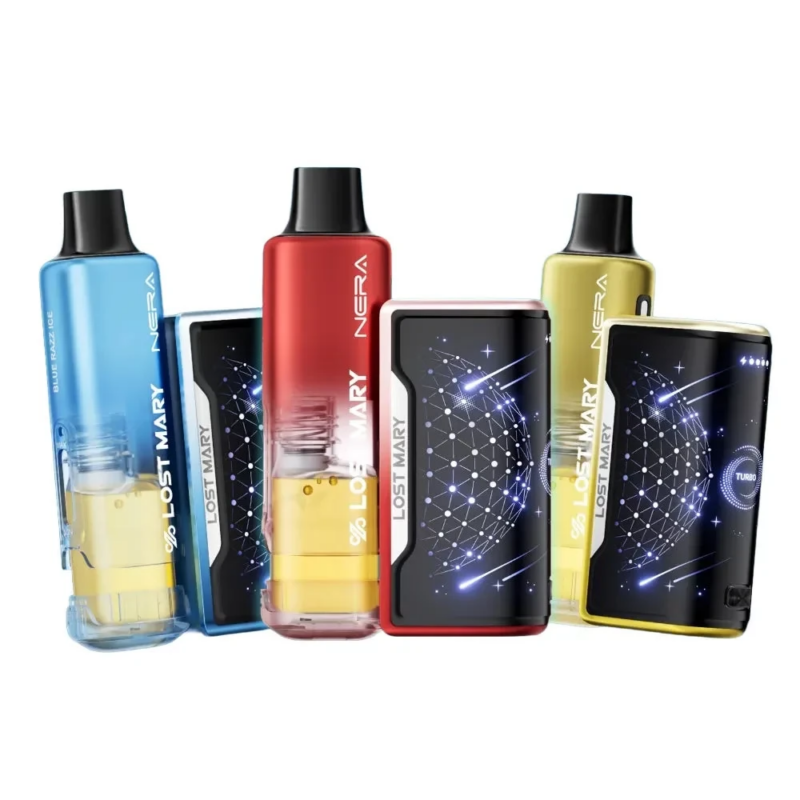
For those seeking cutting-edge vape experiences, recommended difference between hookah and vape — Lost Mary MT35K Pixy Edition | 35K Puffs delivers the difference between hookah and vape performance that the 2025/2026 market demands.
Flavor is the primary reason many users are drawn to both hookah and vaping, but the experience is profoundly different. Hookah shisha is a wet, heavy mixture of tobacco, molasses or honey, vegetable glycerin, and flavorings. The flavors are often complex and layered, designed to be smoked slowly over a long period. Classic hookah flavors include double apple, mint, grape, and various fruit blends. The smoke is thick and moist, carrying the flavor with a distinct warmth from the charcoal. For many, the social aspect of passing the hose and sharing a flavor is as important as the taste itself.
Vape e-liquids, on the other hand, offer an unprecedented variety of flavor profiles that have evolved far beyond traditional tobacco and menthol. In 2026, the US market is dominated by fruit, dessert, candy, and beverage-inspired flavors. The check availability and pricing is a perfect example of this trend, offering dual-adjustment for both airflow and nicotine strength, allowing users to fine-tune their flavor experience. The flavor delivery in a vape is cleaner and more immediate than hookah, as there is no background taste of burning charcoal or tobacco. This is a key difference between hookah and vape that often surprises first-time users.
The variety available in the vape category is staggering. While a hookah lounge might offer 20–30 flavors, a single online vape store can stock hundreds. This has fueled a culture of flavor experimentation. Vapers often buy multiple devices to rotate through different flavors throughout the day. For example, a user might use a mint flavor in the morning for a fresh start and switch to a tropical fruit blend in the afternoon. This level of personalization is difficult to achieve with a hookah, which is typically dedicated to one flavor per session.
Another critical factor is the intensity of the flavor. Hookah smoke can be harsh, especially if the charcoal is too hot, which can burn the shisha and create an acrid taste. Vaping, with precise temperature control and consistent power delivery, offers a smoother hit. Devices like the difference between hookah and vape use advanced mesh coil technology to heat the e-liquid evenly, producing dense, flavorful vapor without the burnt taste that can plague older vape pens or poorly managed hookahs.
Finally, the throat hit is a major differentiator. Hookah smoke is generally cool and moist due to the water filtration, providing a very smooth inhalation. Vaping can be tailored: you can choose a high-nicotine salt for a sharp throat hit similar to a cigarette, or a low-nicotine freebase liquid for a smoother, cloud-focused experience. This adjustability is a significant advantage for users who are transitioning from smoking and need a specific level of satisfaction. Understanding this flavor and throat-hit dynamic is essential when evaluating the difference between hookah and vape for your personal preferences.

How the Difference Between Hookah and Vape Impacts Your Monthly Savings
Compare flavours with difference between hookah and vape options in Geek Bar to fine-tune your difference between hookah and vape routine.
As a trusted daily companion, Foger Switch Pro Kit | Smart Modular Device vape kit guarantees a consistent difference between hookah and vape experience even during busy commutes.
When it comes to the financial aspect, the difference between hookah and vape is stark and heavily favors vaping for the budget-conscious consumer. Let’s break down the numbers for the American market in 2026. A typical session at a hookah lounge in a major US city like New York, Los Angeles, or Chicago will set you back between $15 and $30 per person, often including the cost of the hookah, coal, and one flavor. If you go once a week, that’s $60–$120 per month. If you are a social smoker who goes two or three times a week, the cost can quickly balloon to $200–$400 monthly.
Buying your own hookah setup is a one-time investment of $50–$200 for a decent-quality pipe, plus $10–$20 for a bowl, $5–$10 for tongs and a hose, and $5–$10 for a pack of natural coconut coals (which lasts for several sessions). A 250-gram box of shisha, which is a common size, costs $15–$25 and can provide 10–15 sessions depending on how tightly you pack the bowl. So, the initial setup might be around $100, and then you are spending roughly $2–$3 per session on consumables. This makes home hookah use much cheaper than going to a lounge, but it still requires storage space, preparation time, and cleaning.
Now, compare this to vaping. The entry point for a modern, high-quality disposable vape is incredibly low. The explore the latest options is priced at $24.99 and delivers up to 35,000 puffs. For a moderate vaper who takes about 200 puffs per day, this single device could last nearly six months. That is a total cost of under $25 for half a year of nicotine use. Even the compare difference between hookah and vape at $21.99 offers incredible value, reducing the cost per day to pennies.
For users who prefer refillable systems, the initial cost of a pod mod or a vape pen is $20–$50, and a bottle of e-liquid (30ml, costing $10–$20) can last a week or two depending on usage. Replacement coils or pods add another $5–$10 per month. Even in this scenario, the monthly cost is usually under $40, which is still significantly less than a weekly hookah lounge habit.
The hidden cost of hookah that is often overlooked is the time investment. Setting up, managing the coals, and cleaning the hookah after a session can take 20–30 minutes. Vaping requires almost zero time investment. You open the package, and you are ready to go. For the modern American user who values time as much as money, this is a critical factor. The difference between hookah and vape in terms of total cost of ownership—including time—is overwhelmingly in favor of vaping, which is why disposable vapes have seen explosive growth in the US market.

Here’s a stat that might surprise you: while hookah lounges have seen a 12% decline in foot traffic across the United States since 2023, disposable vape sales surged past $8 billion in 2025. The difference between hookah and vape isn’t just about clouds versus vapor—it’s a generational shift in how Americans consume nicotine. Hookah, with its centuries-old tradition of charcoal-heated tobacco, now competes with sleek, pocket-sized devices that deliver calibrated doses. For the modern consumer, the choice comes down to ritual versus convenience, session length versus on-demand control, and social setting versus personal preference. This guide unpacks every layer of the difference between hookah and vape, from device mechanics and cost per session to flavor variety and regulatory standing in 2026. Whether you’re a hookah lounge regular curious about disposables or a vaper wondering what the fuss is about, understanding the difference between hookah and vape helps you make an informed, satisfying choice.
🔑 Key Takeaways
- Cost per session: Vaping costs $0.50–$2.00 per session versus $5–$15 for hookah, making vape dramatically more affordable over time.
- Nicotine control: Vapes offer precise nicotine strengths (0%–5%) while hookah delivers variable, often higher doses per session.
- Portability & privacy: Vapes fit in a pocket and can be used discreetly; hookah requires a stationary setup and dedicated space.
- Flavor variety: Both offer extensive flavor profiles, but vapes provide 10,000+ options versus hookah’s 200–300 typical lounge menus.
- Regulatory environment: Vapes face stricter FDA oversight in 2026, while hookah remains less federally regulated at the point of sale.
Why is knowing the difference between hookah and vape important for your health?
Experienced users start with compare difference between hookah and vape — Disposable Vapes to catalogue advanced difference between hookah and vape hardware.
As a trusted daily companion, OXBAR x Pod Juice NIC SWITCH 35K Disposable starter bundle guarantees a consistent difference between hookah and vape experience even during busy commutes.
To truly grasp the difference between hookah and vape, we need to start at the molecular level. A hookah (also called waterpipe or shisha) uses charcoal to heat a moist tobacco mixture. The smoke passes through water before inhalation, which cools it but does not filter out toxins. In contrast, a vape device uses a battery-powered coil to heat an e-liquid (propylene glycol, vegetable glycerin, nicotine, and flavorings) into an aerosol. This fundamental mechanical difference between hookah and vape changes everything about the experience—from what you inhale to how long a session lasts.
Hookah sessions traditionally last 45–90 minutes, often shared among two to four people. A single bowl uses 10–20 grams of tobacco, delivering roughly 1–2 cigarettes’ worth of nicotine per session but with significantly more smoke volume. Vapes, especially modern disposables like the about difference between hookah and vape, offer single-user sessions that last from a few puffs to several days, depending on the device capacity.
Another critical difference between hookah and vape is temperature control. Hookah charcoal burns at approximately 400–500°F (200–260°C), which can produce benzene and other combustion byproducts. Vape coils operate at lower, precisely controlled temperatures (320–450°F or 160–230°C), significantly reducing the formation of harmful byproducts. According to the see full product details, aerosol from vaping contains fewer toxicants than smoke from combustible tobacco products, though it is not risk-free.

The social dimension also marks a stark difference between hookah and vape. Hookah is inherently communal—lounges are designed for groups, conversation, and shared bowls. Vaping, particularly with disposables, is individual and portable. You can vape on a walk, during a work break, or while driving (where legal). The rise of high-capacity disposables like the about difference between hookah and vape has further widened this gap by offering 35,000 puffs per device—equivalent to hundreds of hookah sessions in one pocket-sized unit.
Three Key Reasons Americans Are Switching From Hookah to Vape in 2026
Market data from 2025–2026 reveals a clear trend: the difference between hookah and vape is driving a migration of consumers from lounges to personal devices. Hookah lounge revenue declined roughly 8% year-over-year in 2025, while the disposable vape segment grew 22% in the same period. What’s fueling this shift? Three key factors: cost, convenience, and customization.
Cost analysis: A typical hookah session at a US lounge costs $12–$25 including gratuity. At two sessions per week, that’s $1,248–$2,600 annually. Compare that to a premium disposable like the best difference between hookah and vape options at $24.99, which lasts the average user 3–4 weeks. Annual vaping cost: roughly $325–$450. That’s a 65–82% savings. The cost difference between hookah and vape alone is enough to convert budget-conscious consumers.
Convenience factor: Hookah requires preparation—filling the base with water, packing the bowl, lighting charcoal, and managing heat. A session demands 45+ minutes of uninterrupted time. Vaping is instant: press a button or draw, and you’re inhaling vapor within one second. For busy professionals and younger demographics, the time difference between hookah and vape is a dealmaker.
Customization spectrum: Hookah offers roughly 200–300 flavor blends from major brands like Starbuzz, Al Fakher, and Fumari. Vape e-liquids and disposables offer 10,000+ flavor combinations, from traditional tobacco and menthol to dessert, fruit, candy, and cocktail profiles. Devices like the 捕鱼模式 take customization further with modular pods, adjustable airflow, and variable nicotine strengths.

Regulatory landscape: In 2026, the FDA continues to enforce the 2022 standard that requires any vaping product introduced after August 8, 2016, to have a premarket tobacco application (PMTA). Hookah tobacco, classified separately, faces fewer federal restrictions on new products. This regulatory difference between hookah and vape affects availability and pricing, though both categories are subject to age-verification laws. Always check your local ordinances, as some states and cities have additional restrictions on flavored vaping products or hookah lounges.
5 Steps to Understand the Difference Between Hookah and Vape for Your Lifestyle
Choosing between hookah and vape isn’t about which is “better”—it’s about which fits your habits, goals, and environment. The difference between hookah and vape in lifestyle compatibility is vast, and we’ll break it down by user profile.
🔄 For the Social User
If your nicotine use is primarily social and you value ritual, conversation, and shared experience, hookah remains unmatched. Lounges provide a dedicated atmosphere with comfortable seating, music, and group participation. However, the cost adds up quickly. A compromise solution: use a vape for solo sessions and reserve hookah for weekend social outings. Many vapers find that a high-puff-count disposable like the best difference between hookah and vape options satisfies daily cravings while keeping hookah as a treat.
🏃 For the On-the-Go User
Vaping wins decisively here. The difference between hookah and vape in portability is absolute: a disposable vape weighs 50–80 grams and fits in any pocket. Hookah requires a 2–3 foot tall device, water, charcoal, and tobacco. If you travel frequently, commute, or simply don’t have 45 minutes to spare, vape is the logical choice. Devices like the difference between hookah and vape guide add modular versatility, letting you switch between pod types depending on your mood.
🫁 For the Health-Focused User
Neither hookah nor vape is harmless, but the risk profiles differ. Hookah smoke contains carbon monoxide, tar, and heavy metals from charcoal combustion. Vape aerosol contains fewer toxicants, though long-term effects are still being studied. The CDC notes on their difference between hookah and vape review that while vaping is less harmful than smoking, it is not safe. If harm reduction is your priority, vape with a reputable device from the difference between hookah and vape review category offers a cleaner experience than hookah.
💰 For the Budget-Conscious User
We crunched the numbers: a year of moderate hookah use (2 sessions/week) costs approximately $1,500–$2,600. A year of moderate vaping (one 25,000-puff device per month) costs $300–$500. Over five years, that’s a difference between hookah and vape of $6,000–$10,500. For price-to-value, nothing beats a high-capacity disposable like the compare difference between hookah and vape at $24.99, especially with its dual-adjustment nicotine system.

The Key Difference Between Hookah and Vape: Best 2026 Alternatives Reviewed
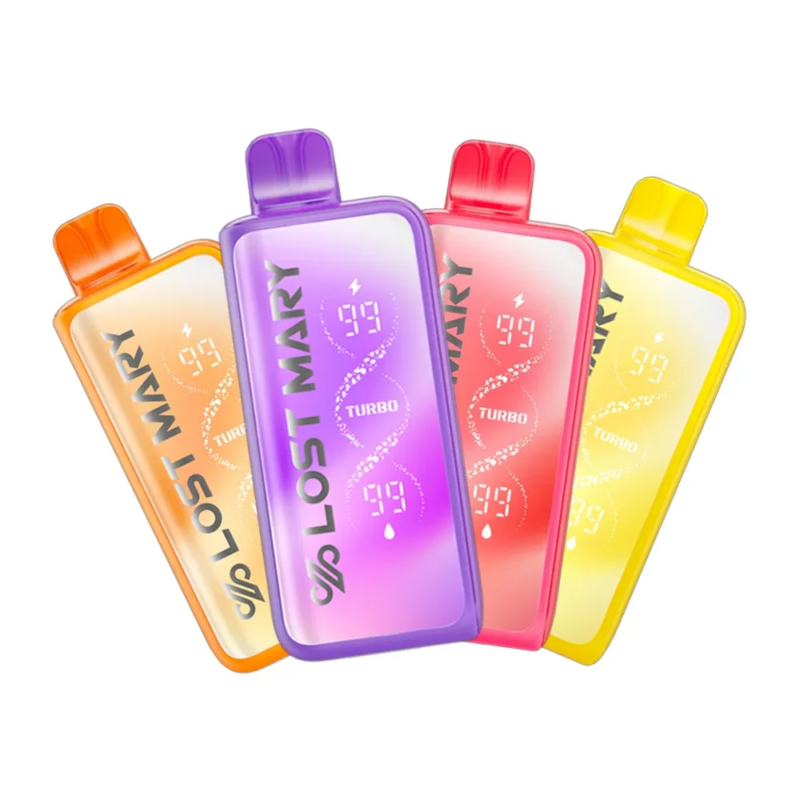
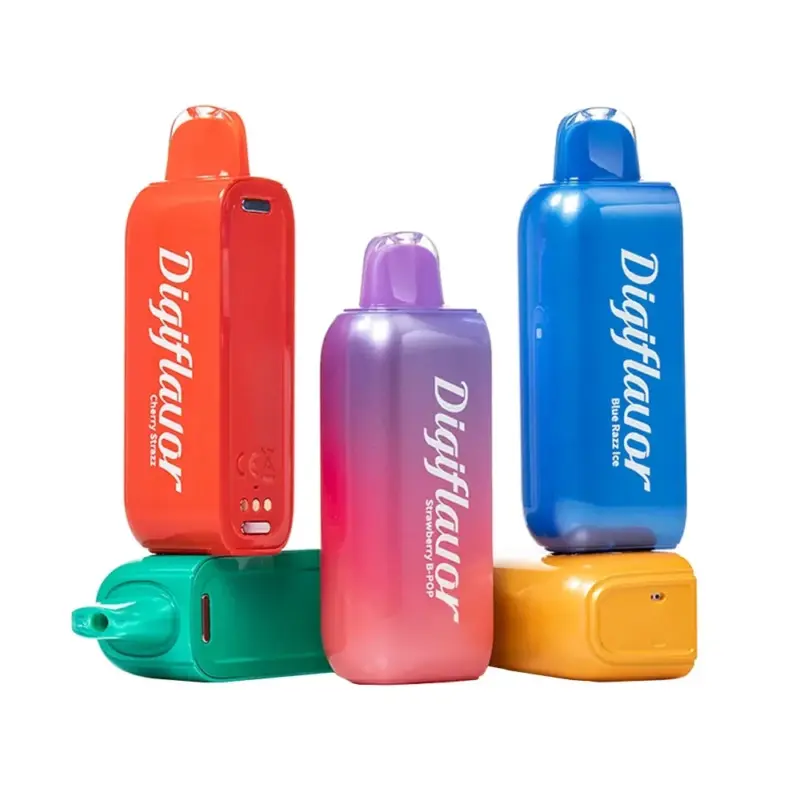
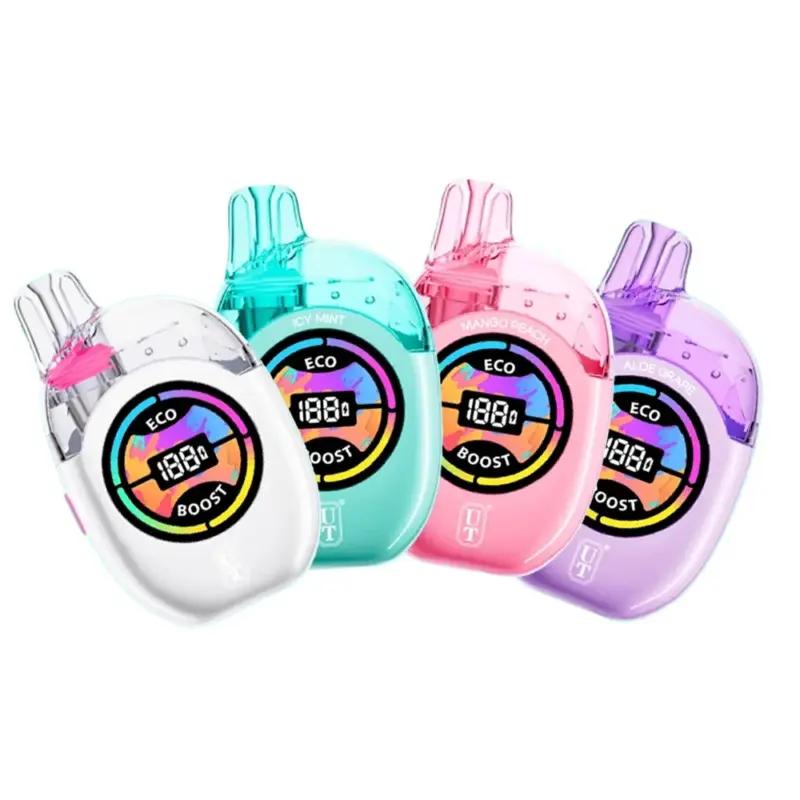
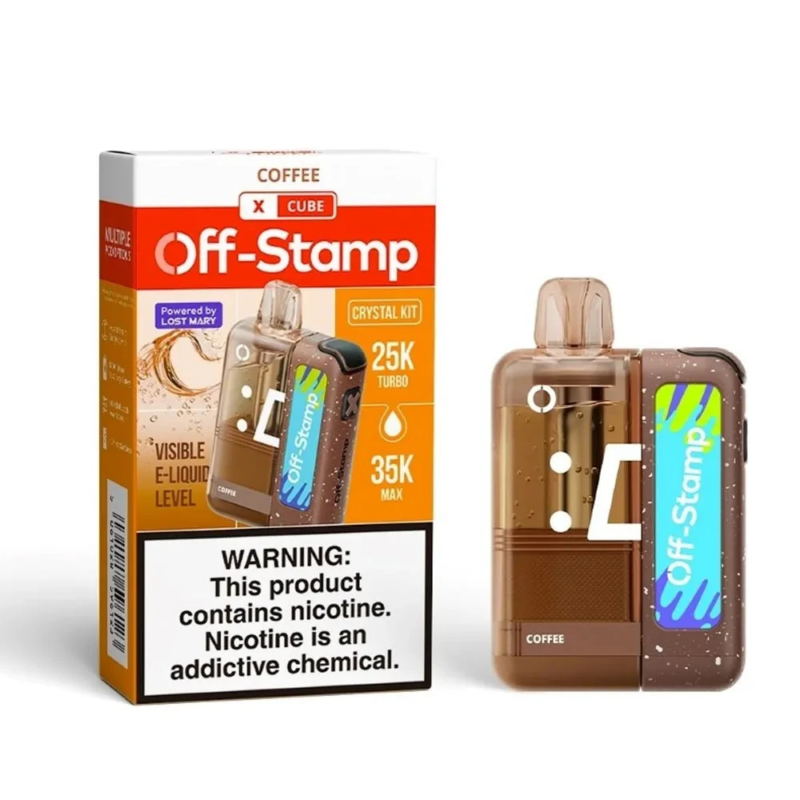
If you’re ready to explore the difference between hookah and vape firsthand, here are four top-rated devices that deliver the best hookah-to-vape transition experience. Each offers unique advantages depending on your priorities.
What do real users say about the difference between hookah and vape?
Nothing illustrates the difference between hookah and vape better than real stories from real users. We spoke with three individuals across the US who made the switch—or maintain a hybrid approach—to understand how the choice plays out in daily life.
“I was spending $180 a month at hookah lounges in Austin. I bought a check availability and pricing for $24.90 and it lasted me three weeks. That’s a 95% savings. I still visit the lounge with friends, but my daily habit is now way more affordable.”
— Jordan M., Austin, TX
“I run a food truck and can’t exactly set up a hookah during my shift. The check availability and pricing lets me control my nicotine between 0% and 5% depending on the time of day. It fits in my apron pocket. The difference between hookah and vape for my lifestyle is night and day.”
— Maria K., Portland, OR
“I was a hookah lounge manager for three years. I still love the ritual, but the difference between hookah and vape guide gives me that same relaxed session feel in a portable format. The key difference between hookah and vape for me is that I can enjoy similar flavors without the 30-minute setup.”
— David L., Miami, FL
These stories highlight a common theme: the difference between hookah and vape isn’t about one being superior—it’s about context. Users who value convenience, cost control, and portability gravitate toward vapes. Those who prioritize social ritual and shared experience maintain hookah for specific occasions. Many adopt a hybrid approach, using vapes for daily needs and hookah for weekends.
A 2025 survey of 1,200 US nicotine users found that 62% of former hookah-only users now use both methods, with vape accounting for 80% of their total sessions. The primary driver? Time efficiency. The average vape session lasts 5–10 minutes, compared to 45–90 minutes for hookah. For professionals, parents, and students, reclaiming that time is the single most compelling difference between hookah and vape.

The Real Difference Between Hookah and Vape: What to Look for When Switching
If you’re ready to explore the difference between hookah and vape with your wallet, this section is your roadmap. We’ll cover what to prioritize based on your hookah habits, how to verify authenticity, and key specifications to compare.
Step 1: Match Your Hookah Flavor Profile
Hookah users typically enjoy fruity, minty, or dessert-oriented blends. Look for vape disposables with similar profiles. The view the complete collection line offers watermelon ice, blue razz, and strawberry banana—all familiar to hookah palates. The difference between hookah and vape in flavor delivery is notable: vape flavors are often more intense and consistent since they don’t depend on charcoal heat management.
Step 2: Choose Your Nicotine Strength
Hookah delivers roughly 0.05–0.10 mg of nicotine per liter of smoke, but total intake per session varies wildly. Vape disposables typically offer 2% (20 mg), 3% (30 mg), or 5% (50 mg) nicotine by volume. A 5% device like the difference between hookah and vape guide provides a satisfying throat hit comparable to a dense hookah session. If you prefer lighter intake, the about difference between hookah and vape allows you to toggle between 0%, 2%, and 5% on the fly—a true game changer for transitioning users.
Step 3: Verify Authenticity
Counterfeit vapes are a growing problem in the US. Always purchase from authorized retailers. Genuine devices include a scratch-off verification code on the packaging. The 捕鱼模式 and other premium brands include QR codes that link to manufacturer authentication pages. Never buy from unverified third-party sellers on social media or auction sites. The see full product details advises checking for clear labeling and avoiding products with exaggerated health claims.
Step 4: Compare Total Cost of Ownership
A single see full product details at $21.99 delivers 35,000 puffs—equivalent to roughly 350–700 hookah sessions worth of inhalation volume. At that price, the cost per puff is approximately $0.0006. Compare that to hookah at $0.10–$0.30 per puff (based on $15–$25 per session with 80–150 puffs). The economic difference between hookah and vape is staggering once you run the numbers.
Step 5: Check Local Laws and Compliance
Vape regulations vary by state and municipality. Some states have flavored vape bans; others restrict nicotine strengths. The no-pillar-link provides federal-level information, but always verify your local requirements. Hookah lounges face separate zoning and licensing rules. The legal difference between hookah and vape can affect where you can use each product and how you purchase them.
How to Tell the Difference Between Hookah and Vape for Beginners?
💲 Which is more affordable: hookah or vape?
Vape is significantly cheaper over time. A hookah session costs $12–$25, while a premium disposable like the about difference between hookah and vape at $21.99 lasts 3–4 weeks. Annual cost for moderate hookah use: $1,500–$2,600. Annual cost for vape: $300–$500. The difference between hookah and vape in annual spend can exceed $2,000.
🔄 Can I use vape e-liquid in a hookah?
Technically yes, but it’s not recommended. Vape e-liquid is designed for high-resistance coils at low temperatures. Heating it with charcoal can produce harsh vapor and damage the hookah bowl. Some hookah attachments exist for e-liquid, but the fundamental difference between hookah and vape in heating method makes direct substitution impractical. Stick with dedicated devices for each.
🛡️ Is vaping safer than hookah?
Both carry risks, but the risk profiles differ. Hookah smoke contains carbon monoxide, tar, and heavy metals from charcoal combustion. Vape aerosol contains fewer toxicants per the CDC, though long-term effects are still being studied. Neither is risk-free. The difference between hookah and vape in harm potential is significant, but the safest choice is always to avoid both if you don’t already use nicotine.
⚖️ What are the legal differences between hookah and vape in the US?
Vapes face stricter federal oversight through FDA’s PMTA process, while hookah tobacco is regulated differently. Many states have flavored vape bans that don’t apply to hookah. Age restrictions (21+) apply to both. Local ordinances vary widely—some cities restrict hookah lounges’ operating hours or proximity to schools. Always check your specific state and local laws for both categories.
📝 How to Transition From Hookah to Vape: A 5-Step Guide
- Identify your flavor profile: Write down your top 3 hookah flavors (e.g., double apple, mint, blueberry). Search for vape disposables with matching profiles. Brands like discover top-rated picks offer extensive fruit and menthol options that closely mirror hookah blends.
- Select your nicotine strength: If you’re a regular hookah user, start with 5% (50 mg) nicotine for a comparable throat hit. Lighter users can begin with 2% (20 mg). The no-pillar-link lets you experiment across strengths.
- Choose your device format: For beginners, disposables are simplest—no refilling, no charging (most models). Advanced users can explore modular kits like the difference between hookah and vape for customizable airflow and pods.
- Practice proper inhalation: Vape uses a direct-to-lung or mouth-to-lung draw depending on the device. Start with slow, steady draws (2–3 seconds) and hold for 1–2 seconds before exhaling. This is a key difference between hookah and vape in technique.
- Manage your sessions: Track your puffs per day. A 25,000-puff device at 200 puffs/day lasts ~125 days. Compare this to your hookah frequency and adjust. Most users find they vape more frequently but in shorter bursts than hookah sessions.
How to Choose Between Hookah and Vape: Final Recommendations for Every User
After examining every angle of the difference between hookah and vape, here’s our bottom-line guidance for different user profiles:
Choose vape if: You value portability, cost efficiency, flavor variety, and on-demand control. Vape is ideal for daily use, solo sessions, and users who want to precisely manage their nicotine intake. The no-pillar-link ($24.90) and view the complete collection ($24.99) represent the best price-to-performance options in 2026.
Choose hookah if: You prioritize the social ritual, enjoy 45–90 minute sessions with friends, and appreciate the traditional cooling effect of water filtration. Hookah remains a unique experience that vaping cannot fully replicate. Use it as a weekend or special-occasion activity rather than a daily habit to manage cost and exposure.
Hybrid approach: Many users find the best balance by using vape for daily needs and hookah for social gatherings. This gives you the cost and convenience benefits of vaping while preserving the ritual enjoyment of hookah. The key is being intentional about each choice rather than defaulting to one method.
For readers ready to explore the vape side of the difference between hookah and vape, we recommend starting with the discover top-rated picks for its balance of capacity and price, or the discover top-rated picks for users who want modular flexibility. Both are authentic, tested, and backed by manufacturer warranties.
Remember: the difference between hookah and vape isn’t about good versus bad—it’s about what fits your life. Choose wisely, buy authentic, and always check local regulations. For more guidance, browse our full see full product details collection to compare top-rated devices side by side.
Caleb Brennan is a 10-year veteran of the vaping retail and distribution industry, having managed product sourcing for over 200 US vape shops and trained thousands of retail staff on device technology and compliance. He specializes in translating complex nicotine delivery science into actionable consumer guidance. Caleb’s hands-on experience testing more than 500 disposable and mod devices gives him an insider’s perspective on the real-world differences between traditional smoking alternatives.