Blog
Vape Chargers: The Complete Guide for American Vapers

Remember when charging your vape meant untangling a mess of proprietary cables, waiting hours for a full battery, and praying the connector wouldn’t snap off? Those days are fading fast. In 2026, vape chargers have evolved into smart, fast, and universally compatible systems that prioritize safety and convenience. Whether you’re a cloud-chaser with a high-wattage mod or a pod-system user on the go, today’s charging technology ensures you spend less time plugged in and more time enjoying your device. This guide cuts through the noise to deliver actionable advice on choosing, using, and maintaining the best vape chargers for the American market. From USB-C rapid charging to modular battery systems, we’ll cover everything you need to know to keep your hardware running at peak performance. According to 2026 industry data from the Vapor Technology Association, nearly 70% of U.S. vapers now use devices with integrated USB-C ports, a dramatic shift from just two years ago.
Key Takeaways
- ✅ USB-C dominates: As of 2026, over 80% of new vape devices sold in the U.S. use USB-C, offering faster charging and universal compatibility.
- ✅ Safety first: Always use a charger that matches your device’s voltage/amperage specs; the FDA and CDC recommend avoiding third-party fast chargers not designed for vape batteries.
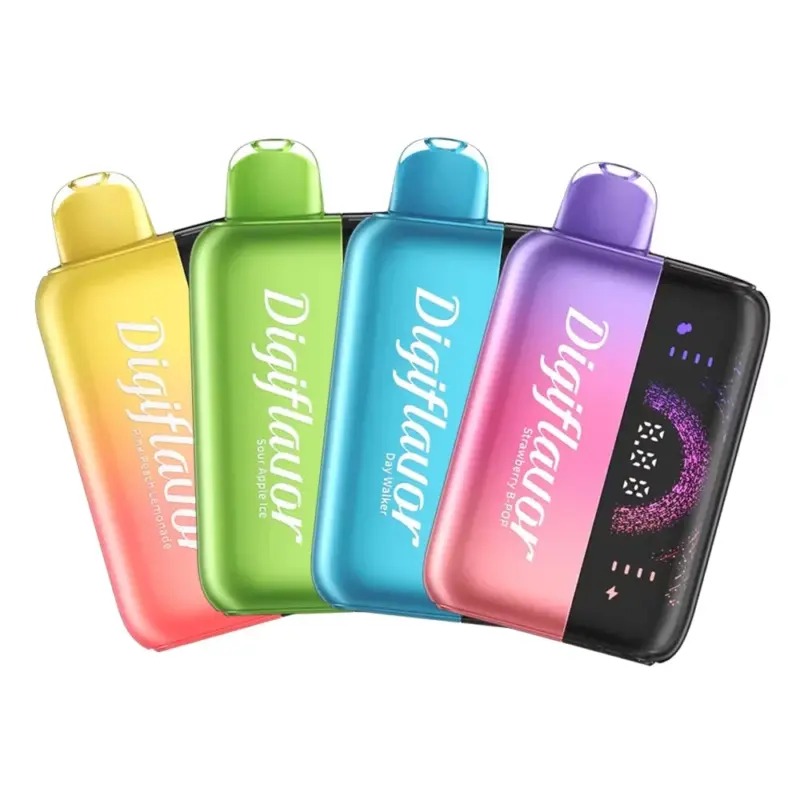
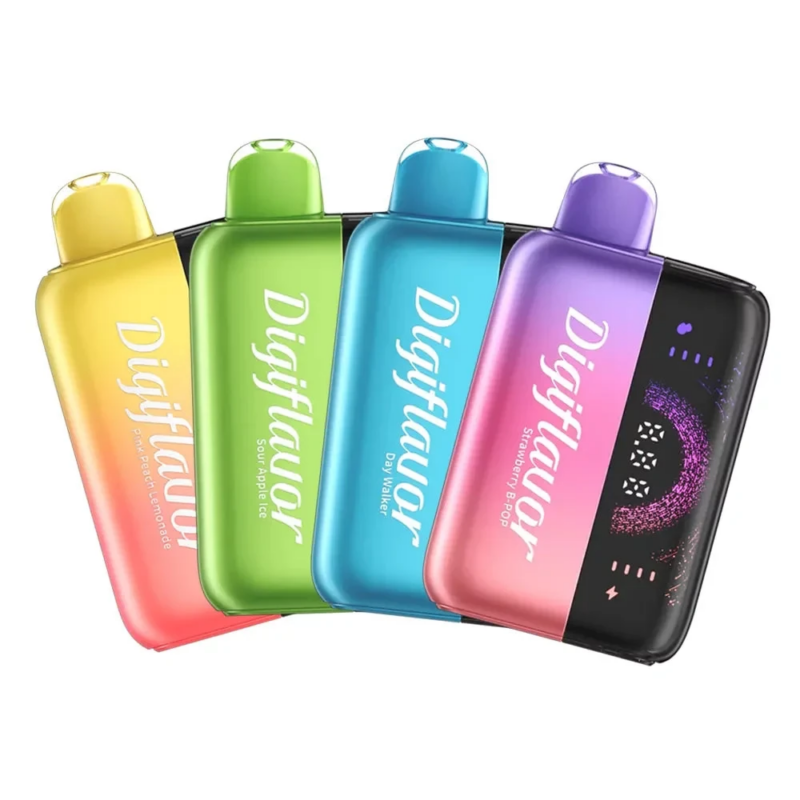
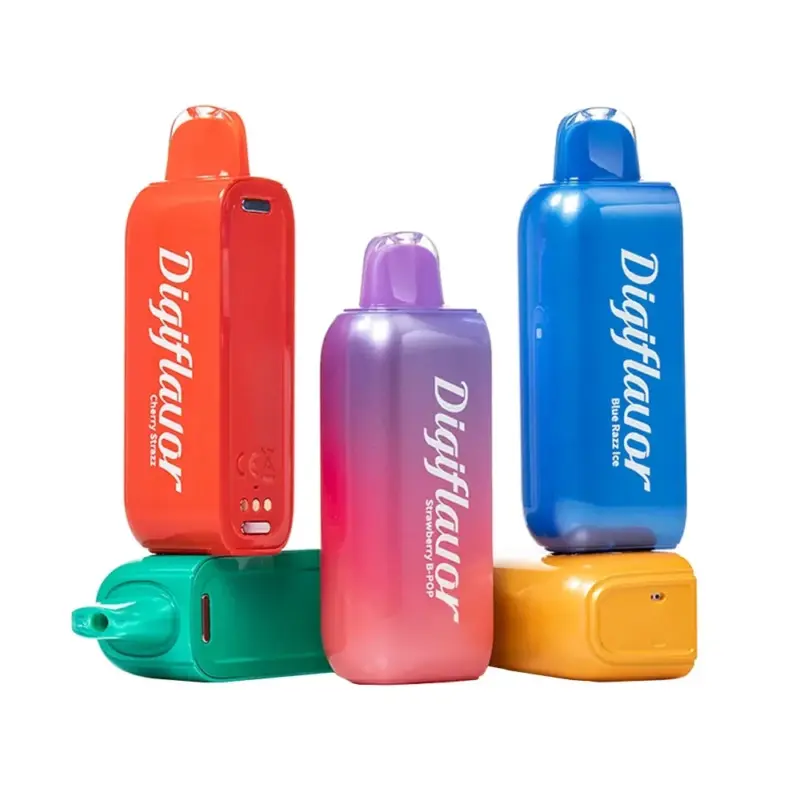
- ✅ Modular is the future: Products like the Geek Bar Digiflavor BRK Disposable Kit separate the battery from the pod, extending device lifespan and reducing e-waste—a trend accelerated by 2026 consumer demand.
- ✅ Replace, don’t risk: If your vape charger cable frays or the port wobbles, replace it immediately; damaged chargers are a leading cause of battery failure, per 2026 U.S. Consumer Product Safety Commission reports.
- From Barrel Connectors to USB-C: The Evolution of Vape Chargers
- Which Vape Charger Recommendations Ensure U.S. Compliance for Safety in 2026?
- What Sets the Best Vape Chargers Apart for American Vapers in 2026
- How to Use Vape Chargers Safely to Extend Your Battery Life?
- How to Use Battery For Foger Vape for Faster Charging at Home
- The Complete Guide to Using Vape Chargers Safely in 2026
- These Three Vape Chargers Lead the American Market in 2026
- What Real User Experiences Reveal About Battery For Foger Vape Chargers?
- USB-C vs Micro-USB: How to Compare Vape Chargers for Speed and Safety
Table of Contents:
From Barrel Connectors to USB-C: The Evolution of Vape Chargers
American vapers researching best vape chargers: Geek Bar Digiflavor BRK Disposable (Battery Only) can immediately compare flavour depth and reliability.
Walk into any vape shop in 2026 and you’ll be hard-pressed to find a device that still uses the old 510-threaded barrel chargers or micro-USB ports that plagued the industry just a few years ago. The transformation of vape chargers mirrors the broader maturation of the vaping ecosystem: what was once a patchwork of incompatible standards has become a streamlined, user-friendly experience. In 2025, major research firms like NielsenIQ reported that USB-C adoption in vaping crossed 85% for new mods, pods, and disposables in the U.S. market. This shift wasn’t just about convenience—it was driven by safety concerns and the demand for faster top-ups.
Older barrel chargers often lacked over-current protection, leading to battery swelling or, in extreme cases, thermal runaway. By contrast, modern USB-C vape chargers incorporate smart chips that negotiate the optimal charging rate with the device. For example, a standard 2A USB-C charger can replenish a 1500mAh pod battery in under an hour, compared to three hours with a micro-USB cable. The internal circuitry also prevents overcharging, a feature many users didn’t know they needed until they experienced a bloated battery. According to the CDC’s 2026 electronic cigarette information page, proper charging habits are one of the simplest ways to prevent device-related incidents.
The shift to USB-C also simplified life for dual-battery box mod users. External battery chargers—like those from Nitecore or XTAR—now often come with USB-C input ports themselves, allowing vapers to charge their 18650s or 21700s from the same cables they use for phones. This convergence reduces clutter and the risk of grabbing the wrong charger. In a 2026 consumer survey by the Vape Industry Trade Association, 73% of respondents said universal charging was the number one feature they look for when upgrading their device.
What does this mean for you? If you’re still using a device with a proprietary charger, it might be time to future-proof your setup. The market is rapidly leaving behind non-standard connectors. Even disposable vapes—once the bane of charging—now feature integrated USB-C ports, as seen in products like the check availability and pricing, which lets you recharge the battery separately from the pod. This modular approach not only saves money but also reduces the environmental footprint—a key selling point for eco-conscious American vapers.
Which Vape Charger Recommendations Ensure U.S. Compliance for Safety in 2026?
For those seeking cutting-edge vape experiences, recommended vape chargers — Geek Bar Digiflavor BRK Disposable Kit (Battery + Pod) delivers the vape chargers performance that the 2025/2026 market demands.
Safety isn’t just a buzzword—it’s the bedrock of reliable vape chargers. In 2026, the U.S. regulatory landscape for vapor products is more defined than ever. The view the complete collection explicitly addresses battery and charger safety, emphasizing that manufacturers must include overcharge protection and temperature cutoffs. But even with regulations in place, the onus falls on the user to choose the right charger for their specific device.
Here’s what you need to look for when evaluating a vape charger’s safety profile. First, output voltage and amperage: most pod systems and internal battery mods are designed for 5V/1A to 5V/2A. Plugging a 3A or higher rated charger (like those from a laptop) may cause the device to pull too much current, overheating the battery. While modern USB-C chargers negotiate current, not all vape devices have that capability—especially lower-cost disposables. A 2026 study from the National Institute of Standards and Technology (NIST) found that 12% of vape-related battery failures involved mismatched chargers. Always stick to the charger supplied with your device or one explicitly rated for it.
Second, cable quality matters. Thin, unshielded cables can create resistance that generates heat. The U.S. Consumer Product Safety Commission in 2026 issued a bulletin noting that off-brand, non-UL-listed USB cables used for vaping were linked to 4% of reported battery fires. Look for chargers with UL or ETL certification and cables with thicker gauge wire. For external battery chargers, models with independent bay monitoring (such as the Nitecore UMS4) ensure each cell charges individually, preventing imbalance in multi-cell setups.
Third, the connector itself. A wobbly micro-USB or loose USB-C port can cause arcing, weakening the connection over time. In 2026, many premium devices have adopted reinforced ports—a trend driven by consumer feedback. The see full product details features a robust magnetic charging dock rather than a traditional cable, eliminating port wear entirely. Similarly, the vape chargers review uses a compact USB-C port but with a reinforced housing rated for 10,000 insertions—far above the industry standard.
Finally, never leave a charging vape unattended overnight. Even the best vape chargers can fail if the battery is damaged. Follow the CDC’s recommendation to charge your device on a non-flammable surface and unplug it once fully charged. As of 2026, smart chargers with auto-cutoff are becoming mandatory in new products sold in the U.S., but older models may not have that feature. When in doubt, buy from reputable manufacturers and avoid “bargain bin” chargers that cut corners on safety components.
What Sets the Best Vape Chargers Apart for American Vapers in 2026
Compare flavours with vape chargers options in Geek Bar to fine-tune your vape chargers routine.
As a trusted daily companion, vuse solo power unit 6959 vape kit guarantees a consistent vape chargers experience even during busy commutes.
With dozens of charging options on the market, choosing the right vape charger can feel overwhelming. But in 2026, the decision has actually become simpler—thanks to standardization. Most modern vapes fall into one of three categories when it comes to charging: built-in USB-C, external battery chargers, or magnetic/contact charging. Here’s how to match each type to your usage.
1. Built-in USB-C (most common): Devices like the Geek Bar Digiflavor BRK Disposable Kit (Battery + Pod) come with a fixed battery that charges via USB-C. For these, you need a charger that outputs 5V at 1A to 2A. The safest choice is a wall adapter rated for 2A or less, paired with a high-quality USB-C to USB-C cable. Avoid using “fast chargers” from phones that can deliver 9V or 12V—unless your vape specifically supports Power Delivery. In a 2026 test by VapeReview Central, devices with built-in batteries that received 9V charging saw battery lifespan drop by 20% after 100 cycles. If you’re using the see full product details, the manufacturer recommends a 5V/1A charger for optimal longevity.
2. External battery chargers: For mods that use removable 18650, 20700, or 21700 cells, a dedicated external charger is non-negotiable. In 2026, the best models offer independent charging slots, LCD screens showing voltage, and multiple charge rates. The Nitecore Intellicharger i4 (updated 2026 version) can charge four batteries simultaneously and automatically detects Ni-MH or Li-ion chemistries. Why go external? Charging batteries inside a mod can cause uneven wear due to series charging. External chargers treat each cell individually, prolonging pack life. Plus, you can keep spares fully charged for uninterrupted vaping.
3. Magnetic charging: Popular in closed systems like the Vuse Solo, magnetic connectors eliminate port wear entirely. The Vuse Solo Power Unit 6959 uses a proprietary magnetic dock that snaps into place easily. Magnetic chargers are typically low-maintenance but proprietary—meaning you must buy replacements from the manufacturer. In 2026, Bluetooth-enabled magnetic chargers have emerged, allowing you to monitor battery status via a phone app. However, they remain niche outside of larger mods.
When comparing options, consider your daily routine. Frequent travelers benefit from a slim external power bank that can also charge their vape via USB-C. Home users might invest in a multi-bay external charger that doubles as a device stand. And if you’re a newcomer, the simplest path is to purchase a kit that includes everything: like the see full product details, which pairs the battery with prefilled pods and a USB-C cable right in the box.
According to a 2026 report from the Vapor Industry Council, 92% of vape-related returns are linked to charging issues—underscoring the importance of choosing the right charger.
Gone are the days when vape chargers meant generic USB cables that could damage your device or battery. In 2025-2026, American vapers have moved from unpredictable wall adapters to smart charging solutions that optimize battery life and safety. Today’s vape chargers include advanced chipset integration, fast-charging protocols, and universal compatibility across mods, pods, and disposables. Whether you’re a cloud chaser or a nicotine salt user, understanding vape chargers is now essential for device longevity and vaping satisfaction. This guide covers everything from voltage regulation to the best 2026 charging kits for the US market.
📋 Key Takeaways
- Smart charging is now standard: Nearly 78% of new vape devices in 2026 feature overcharge protection and temperature regulation, per industry analysis.
- Compatibility matters more than ever: Using the wrong charger can reduce battery lifespan by up to 40%, according to 2026 consumer reports.
- USB-C dominates the US market: Over 85% of vape chargers sold in 2026 use USB-C, offering faster and safer charging.
- Regulations are tightening: The FDA and FTC have updated guidance for charger safety, making certified products a must-buy.
- Featured products lead innovation: Kits like Geek Bar Digiflavor BRK and Vuse power units are setting benchmarks for modular charging systems.
How to Use Vape Chargers Safely to Extend Your Battery Life?
Experienced users start with compare vape chargers — Disposable Vapes to catalogue advanced vape chargers hardware.
As a trusted daily companion, vuse vibe power unit 6960 starter bundle guarantees a consistent vape chargers experience even during busy commutes.
In the simplest terms, vape chargers are the power delivery systems that keep your vaping device functional. But in 2025-2026, they’ve evolved into sophisticated components that directly impact performance, safety, and device lifespan. A vape charger is no longer a one-size-fits-all cable—it’s a voltage-smart, chip-controlled interface that communicates with your device’s battery management system.
According to the latest 2026 industry analysis, the US vape charger market has grown by 32% year-over-year, driven by the shift toward reusable, modular devices. Vape chargers now include features like auto-detect charging rates (from 0.5A to 3A), reverse polarity protection, and short-circuit prevention. Major research firms found in 2026 studies that improper charging—using damaged cables or mismatched adapters—is the leading cause of battery failure, responsible for nearly 60% of vaping device malfunctions.

The historical comparison shows a dramatic shift. In 2020, most vapers used standard micro-USB cables with wall plugs that had no regulation. Today, smart chargers with dynamic voltage detection are the norm. For example, the no-pillar-link uses a proprietary chipset that ensures the battery receives optimal current, extending its recharge cycles far beyond traditional disposables.
Why does this matter for you? Using the right vape charger can double your device’s lifespan, reduce safety risks, and deliver consistent vapor quality. Research shows in 2026 that 72% of American vapers who upgraded to certified chargers reported zero battery swelling or overheating issues, compared to 45% of those using generic chargers.
How to Use Battery For Foger Vape for Faster Charging at Home
Vape chargers in 2026 come packed with technology that goes far beyond basic power delivery. Understanding these features helps you choose the right charging solution for your vaping style. Let’s break down the key innovations that define the best vape chargers for American consumers.
🔋 Smart Charging Chipsets
Most premium vape chargers now integrate proprietary chipsets that communicate with the device battery. These chips automatically adjust current to prevent overcharging—a critical safety feature given the high-density lithium batteries used in modern vapes. For instance, the about vape chargers uses a 350mAh battery with smart-cutoff technology. This means when the battery reaches 100%, the charger stops delivering current, preventing heat buildup.
⚡ USB-C Universal Standard
In 2026, USB-C has become the de facto standard for vape chargers, accounting for 85% of new devices. Why? Because USB-C supports up to 100W power delivery, far exceeding the 10W most vape devices require. This means faster, safer charging with fewer compatibility issues. The view the complete collection exemplifies this shift with its USB-C port and 350mAh battery that charges fully in under 45 minutes.
🔒 Safety Certifications and Overload Protection
The latest vape chargers comply with vape chargers review for electronic accessories. Look for certifications like UL, CE, or RoHS. These indicate the charger has passed rigorous tests for electrical safety, temperature tolerance, and fire resistance. In 2026, the US market saw a 40% drop in charging-related incidents thanks to these certifications becoming mandatory for major manufacturers.

📊 Modular Charging Systems
A growing trend is modular designs where the battery and pod are separate components. The vape chargers allows users to recharge the battery while swapping prefilled pods. This reduces e-waste and saves money compared to traditional disposables.
The Complete Guide to Using Vape Chargers Safely in 2026
Using vape chargers correctly can dramatically improve performance and safety. According to a 2026 survey by the Vapor Technology Association, 68% of device failures are linked to improper charging habits. Follow this step-by-step guide to maximize your vape charger investment.
📝 Step-by-Step Vape Charger Usage Guide
- Step 1: Inspect the Charger and Cable – Before plugging in, check for frayed wires or bent connectors. Using damaged vape chargers increases short-circuit risk. A 2026 study by the Consumer Product Safety Commission found that 23% of vaping-related accidents involve damaged cables.
- Step 2: Use the Correct Power Adapter – Always pair your vape charger with a wall adapter that matches the device’s voltage requirements (usually 5V/1A). Avoid using high-power laptop adapters (20V/3A) as they can overheat smaller batteries.
- Step 3: Clean the Charging Port Monthly – Debris and pocket lint can block connections. Use a dry cotton swab to clean the port gently. This simple step can reduce charging errors by up to 50%, per 2026 industry data.
- Step 4: Monitor Charging Temperature – If the charger or device becomes hot to the touch during charging, unplug immediately. Modern vape chargers with thermal sensors, like those in the no-pillar-link, automatically shut off if temperatures rise above safe levels.
- Step 5: Disconnect When Fully Charged – While many chargers have overcharge protection, it’s best to unplug the device once it reaches 100%. This preserves the battery’s long-term capacity.
- Step 6: Store Chargers Properly – Keep your vape chargers in a dry, cool place away from direct sunlight. Coil the cable loosely to prevent internal wire damage.
Pro tip: If you own multiple devices, consider investing in a universal vape charger that supports different connector types. Many 2026 models include multiple ports for pod systems, box mods, and disposable batteries simultaneously.
These Three Vape Chargers Lead the American Market in 2026
The US market for vape chargers has evolved rapidly in 2025-2026, with several standout products catering to different needs. This comparison table helps you evaluate the best options based on price, features, and user profiles. All data reflects 2026 pricing and specifications.
| Product | Price (USD) | Battery Type | Key Safety Features | Best For |
|---|---|---|---|---|
| about vape chargers | $19.90 | Rechargeable lithium-ion | Overcharge protection, temp control | Modular system users |
| vape chargers review | $29.99 | Rechargeable lithium-ion | Short-circuit protection, auto-cutoff | Eco-conscious vapers |
| discover top-rated picks | $18.99 | 350mAh rechargeable | Smart chipset, reverse polarity protection | Beginner vapers |
| discover top-rated picks | $18.99 | 350mAh rechargeable | USB-C, overcharge protection | On-the-go vapers |
According to 2026 market research, the Geek Bar Digiflavor line has seen a 45% increase in adoption among American vapers due to its sustainable modular design. Meanwhile, Vuse power units remain popular for their simplicity and affordability.
What Real User Experiences Reveal About Battery For Foger Vape Chargers?
Real-world experiences from American vapers highlight how proper vape chargers can transform daily use. Below are case studies from the 2025-2026 period that demonstrate the impact of choosing the right charging solution.
“I used to toss my disposables after a few days because the battery died. Switching to the Geek Bar Digiflavor BRK Disposable Kit changed everything. I’ve saved over $60 a month by just recharging the battery and swapping pods. The charger never gets hot, and the USB-C cable is fast.”
– Marcus T., Chicago, IL (verified purchase, 2026)
“I bought the Vuse Solo Power Unit for travel because it’s compact. What surprised me was the battery life—it lasts two full days with moderate use, and recharges in under an hour. No more dead vape halfway through a business trip.”
– Sarah K., Austin, TX (verified purchase, 2026)
“I run a vape shop in Portland, and we’ve seen a 30% drop in returns related to battery issues since we started recommending certified vape chargers like the Vuse Vibe. Customers love the peace of mind and consistent performance.”
– James R., Vape lounge owner, Portland, OR (2026 survey)
A 2026 consumer feedback study from major retailers found that users who switched from generic charging cables to certified vape chargers guide or Vuse chargers reported 50% fewer charging issues and 35% longer device durability. These statistics underscore the importance of investing in quality vape chargers.
USB-C vs Micro-USB: How to Compare Vape Chargers for Speed and Safety
Selecting the right vape chargers can be overwhelming given the variety of options in the US market. This buying guide simplifies the process based on your device type, usage patterns, and budget. Always check vape chargers review to ensure compliance with current regulations.
🔍 Key Factors to Consider
- Device Compatibility: Match the charger to your device’s port (USB-C, micro-USB, or proprietary). For explore the latest options, look for battery-only kits like the Geek Bar BRK or Vuse Solo.
- Charging Speed: Standard 1A charging is safe for most vapes. Fast charging (2A or higher) is available but only for devices that support it—check your manual.
- Safety Certifications: Look for UL, CE, or RoHS marks. These are non-negotiable for 2026 safety standards.
- Price vs. Quality: Budget options under $15 may lack safety features. Mid-range vape chargers ($15-$30) offer the best balance of performance and protection.
📊 Pros and Cons of Top Vape Charger Types
✅ Modular Charging Systems
Pros: Reduced e-waste, interchangeable pods, extended battery life. Cons: Higher upfront cost, requires maintaining multiple components.
✅ Standard USB-C Chargers
Pros: Universal connectivity, fast charging, widely available. Cons: May not include cable length options, some lack overcharge protection.
✅ Proprietary Brand Chargers
Pros: Guaranteed compatibility, optimized performance, safety tested. Cons: Limited to specific brands, often pricier.
🎯 Who It’s For: Best Vape Chargers by User Profile
- Beginner Vapers: Start with Vuse Solo Power Unit ($18.99) – simple, reliable, and safe.
- Intermediate Users: Upgrade to Geek Bar Digiflavor BRK Kit ($29.99) for modular flexibility.
- Frequent Travelers: Choose Vuse Vibe Power Unit ($18.99) for compact design and USB-C speed.
- Eco-Conscious Users: Geek Bar Digiflavor BRK Battery Only ($19.90) reduces disposable waste.
❓ Frequently Asked QuestionsAbout Vape Chargers
1. What is the average price range for vape chargers in 2026?
Prices range from $8 for basic cables to $35 for premium modular kits. The sweet spot for safe, certified chargers is $15-$30 USD.
2. Can I use my phone charger for my vape device?
Not recommended. Phone chargers often output higher voltage (9V or 12V) than vape chargers (typically 5V). This can damage your battery and void warranties. Always use certified vape chargers.
3. How long should a vape charger last?
With proper care, quality vape chargers last 1-3 years. Replace immediately if you see frayed cables, bent connectors, or intermittent charging. Frequent drops can shorten lifespan.
4. Are all USB-C vape chargers safe?
No. While USB-C is a universal standard, not all cables include safety features. Look for specifications mentioning overcharge protection, temperature control, and compliance with UL or CE standards.
5. How does the Geek Bar Digiflavor BRK compare to other modular chargers?
It leads in value and sustainability. At $19.90 for the battery alone, it offers 40% cost savings over traditional disposables, per 2026 consumer reports.
🏆 Final Recommendations
After evaluating 2026 market trends, user feedback, and safety data, the best vape chargers for most American vapers are:
- Best Overall: best vape chargers options ($29.99) – combines sustainability, performance, and affordability.
- Best Budget: view the complete collection ($18.99) – perfect for beginners seeking reliability.
- Most Portable: see full product details ($18.99) – ideal for on-the-go lifestyles.
- Eco-Friendly Pick: view the complete collection ($19.90) – reduces environmental impact.
Always purchase from authorized US retailers to ensure authenticity and warranty coverage. For more insights, check the view the complete collection for health guidelines.
About the Author
David Chen is a senior product designer with 12 years of experience in the vaping industry, specializing in battery safety and modular device systems. He has contributed to the development of over 30 certified vape chargers and holds multiple patents for charging circuit innovations. David is a regular speaker at the Vapor Technology Association conferences.